 2,768 REVIEWS
Urban Gardening
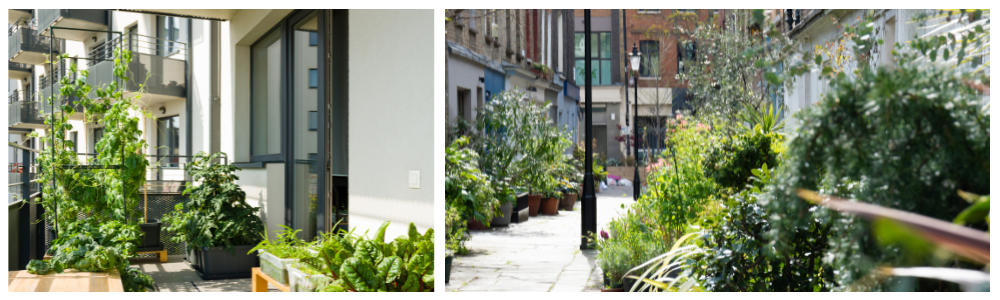
As the British population continues to grow and the average garden size diminishes in urban areas, we explore the preferences of the upcoming generations of aspiring gardeners as they embark on their gardening journeys. Below, we will provide some ideas on how you can transform your small garden or balcony into a dedicated natural space, creating an area where you can unwind and connect with nature.
Since the onset of the COVID-19 pandemic in 2020, a surge of individuals has shown a strong interest in establishing a connection with nature through various means. Whether it's taking a daily stroll or embracing a more self-sufficient approach to food preparation, the common thread is a desire to harmonize with the natural environment. This has led to the emergence of urban gardening. In 2019, it was approximated that 56.3 million people resided in urban areas of Britain, constituting nearly 83% of the population. The urban lifestyle often lacks outdoor spaces for relaxation, plant cultivation, and socializing.
One out of every eight households in Britain does not have a garden. The average garden size in the UK is 188 square meters. However, in urban settings, this average significantly decreases, with London's gardens averaging 16 square meters, while the average garden size in Brighton is 23 square meters.
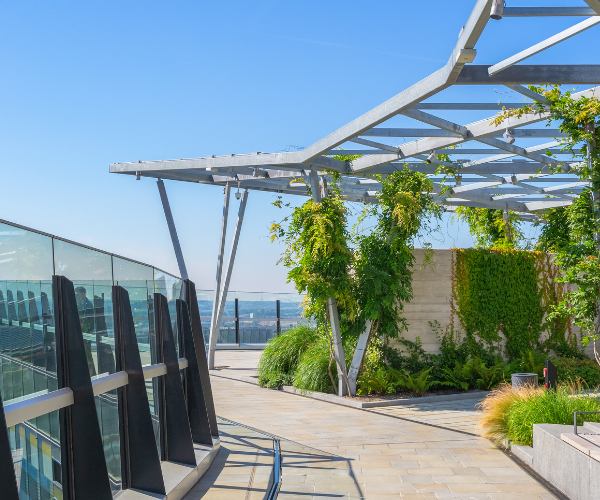
A significant proportion of urban residents today belong to the millennial generation, a demographic that prioritizes values such as sustainability, nature, biodiversity, and self-sufficiency. This group is at the forefront of the urban gardening movement, actively seeking ways to make use of any available outdoor space, whether it be a small courtyard garden, a communal garden, or even a balcony in their apartment.
It's widely recognised that millennials are delaying the start of traditional families, opting for a household filled with pets and houseplants instead of children. The growing fascination with houseplants is evident across various social media platforms, prominently on Instagram and Pinterest. Given the recognised importance of connecting with nature for mental well-being, many Londoners are turning to the purchase of various houseplants. If you're seeking advice on houseplants, feel free to follow our blog for valuable insights.
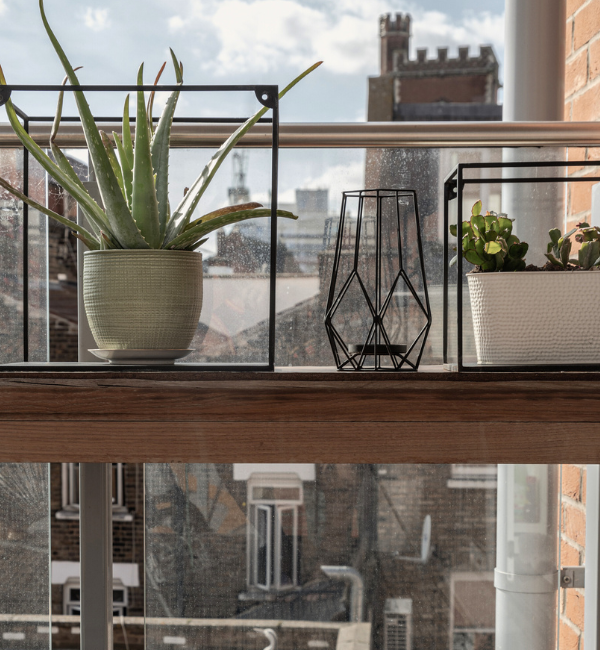
No soil, no problem?
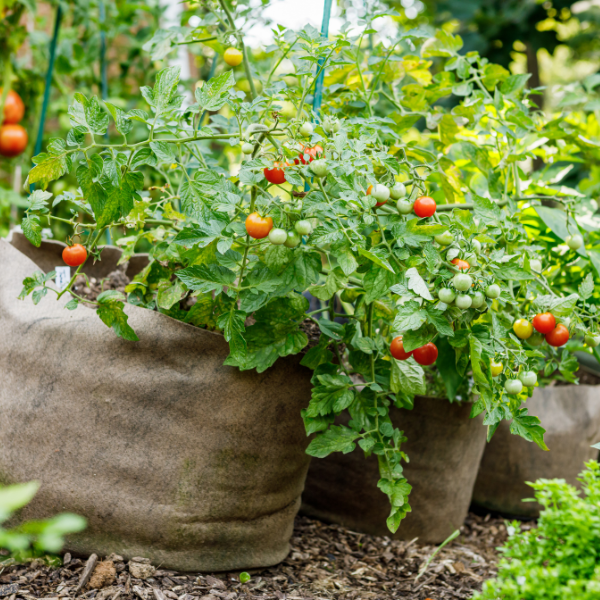
Frequently, town gardens face the challenge of limited or no soil, necessitating the construction of raised beds or the cultivation of plants in containers. Despite the constraint, the modest size of most urban gardens often makes this a manageable issue. Moreover, it provides an opportunity to diversify plant selections, including those that may not thrive in traditional ground soil. Opting for large containers is a practical solution, as they retain moisture better than smaller pots, reducing the effort required for watering maintenance. This ensures a more efficient and sustainable approach to cultivating plants in urban garden settings.
Turn a lack of space into a design opportunity!
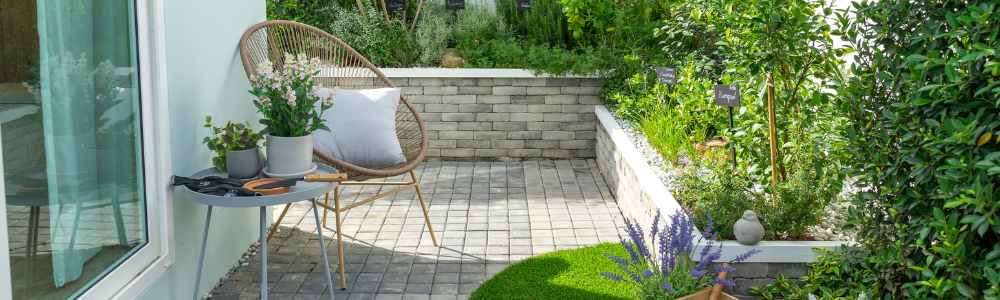
Urban gardens frequently face constraints on access, often limited to passage through the house. In such settings, the option of using bonfires to dispose of waste is impractical, and storage space limitations discourage the inclusion of bulky items like lawnmowers. In light of these challenges, consider forgoing traditional lawns and instead embrace a well-designed layout featuring abundant evergreens for a chic and low-maintenance aesthetic.
In this approach, a sizable paved area is thoughtfully complemented by expansive borders, providing ample room for diverse planting. The inclusion of a raised bench, cleverly underplanted with ferns, maximizes every inch of available space. This strategy not only addresses the limitations imposed by access and storage constraints but also contributes to creating a stylish, functional, and easy-to-maintain urban garden.
If you're interested in more gardening advice, please follow the links below!